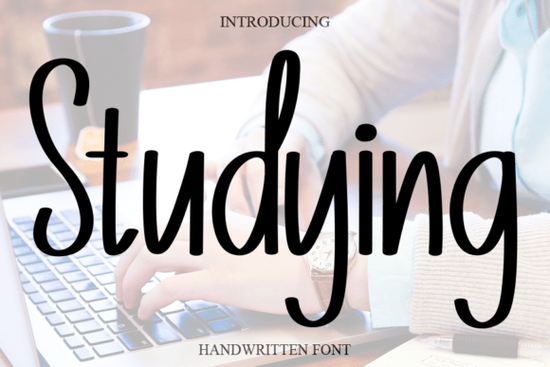
If you need a handwritten typeface that feels both polished and approachable, Studying Font delivers exactly that balance. This sweet, cursive design carries a gentle rhythm that reads easily across screens and printed materials alike. Crafters and print-on-demand sellers often gravitate toward it because the strokes maintain enough contrast to feel elegant without becoming difficult to read at smaller sizes. Small business owners looking for wedding stationery, boutique packaging, or minimalist social graphics will find it fits seamlessly into a romantic yet casual visual identity.
Why does this cursive typeface work so well for personal projects?
The secret lies in its natural flow. Unlike rigid brush scripts or overly decorative calligraphy styles, this lettering keeps a consistent baseline and smooth transitions between characters. That steadiness makes it forgiving during layout work, especially when you are kerning tightly for labels or merchandise tags. The gentle curves add warmth to brand names, event headers, and quote overlays without competing with photographs or illustrations. You can use it for everyday marketing promotions, digital planners, or handmade product tags, and it will still carry that thoughtful, handcrafted impression.
Which design categories suit this style best?
- Wedding and event collateral: invitations, seating charts, and table numbers gain a soft, traditional feel without looking dated.
- Boutique branding and logo concepts: bakeries, skincare studios, and floral shops often pair it with clean sans-serifs to create a modern yet inviting mark.
- Fashion lookbooks and editorial layouts: the flowing strokes mimic natural handwriting found in vintage magazines and current streetwear campaigns.
- Print-on-demand templates: wall art, quote posters, and tote bag designs benefit from the legible curve weight that scales well on different substrates.
- Greeting cards and stationery sets: the romantic touch translates directly to personalized messages, holiday notes, and thank-you cards.
How do you set up and license this script for your shop?
Before uploading files to marketplaces, verify the commercial usage terms attached to your download. Most creators on Creative Fabrica provide standard commercial licenses that cover digital products and limited physical prints, but checking the specific document saves headaches later. Import the font file into your operating system, then open your preferred design software. Set the tracking slightly wider than usual cursive type often looks cramped at default spacing and adjust line height if you are setting paragraphs rather than single lines. When placing it over busy backgrounds, add a subtle drop shadow or reduce opacity to keep the text readable. Pair it with a neutral geometric sans-serif for body copy, which creates clear hierarchy and prevents the design from feeling too ornamental. If you want to explore the complete specimen sheet for this particular script, viewing the full glyph set helps you spot alternate ligatures and punctuation marks that save time during assembly.
What other handwritten options pair nicely with it?
Building a cohesive toolkit means exploring complementary styles. If you need something bolder for headlines, browsing through curated collections like the Maddison collection shows how structured brush scripts can balance lighter hand lettering. For seasonal or youth-focused projects, the playful strokes found in the kids crayon series offer a fun contrast without clashing. When you require a softer fallback for long captions, testing out the Sometimes selection reveals how relaxed pen styles maintain readability while keeping that organic charm. Finally, exploring resources similar to the book signature archive helps you assemble matching pairs for titles and author credits. Searching for any specific typeface directly on the platform, such as visiting a page for Studying Font, makes it easier to preview sample sheets and compare character sets side by side.
Quick workflow checklist before you hit print or publish
- Confirm the license covers your intended sales channel and print run.
- Set base size large enough to maintain curve clarity at 72 DPI for web and 300 DPI for print.
- Widen tracking by 10 to 20 units to prevent overlapping ascenders and descenders.
- Test placement on both light and dark backgrounds using color contrast checkers.
- Export vector outlines for final artwork whenever possible to preserve stroke integrity.
Final steps to keep your files organized
Save every project file in versioned folders named by client or product line. Keep a separate swatch sheet documenting hex codes, paired fonts, and spacing settings so future edits take minutes instead of hours. When preparing mockups, use realistic lighting and fabric textures to help buyers visualize the end result. Running these quick checks ensures your designs stay professional, consistent, and ready for market. Try applying the type to a simple business card draft tomorrow, then adjust the weight and color until the mood matches your brand voice. Repeat the process once more with a wedding invite template, and you will quickly see how naturally it adapts to different creative directions.
Download Now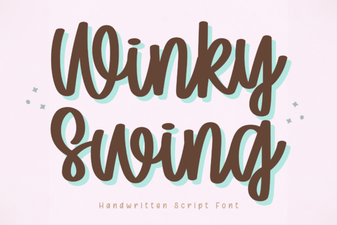 Creative Projects Using the Winky Swing Font
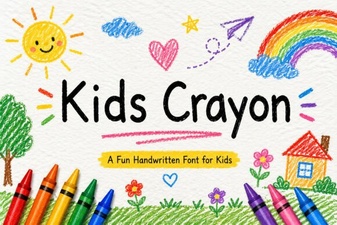 A Creative Crayon Font for Kids Art Projects
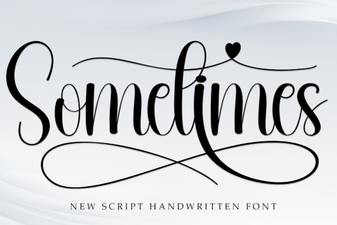 Sometimes Font: a Creative Guide for Dynamic Design
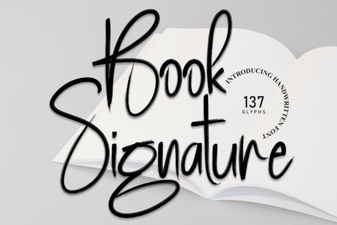 Find Your Signature: Perfect Font for Authors & Readers
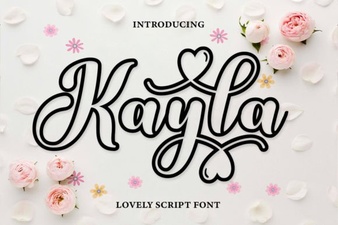 The Kayla Outline Font for Creative Projects
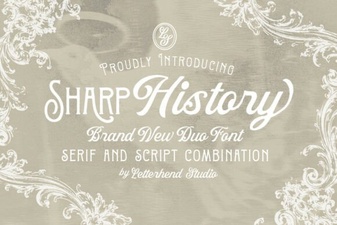 Sharp History Font: Design Concepts & Usage Guide