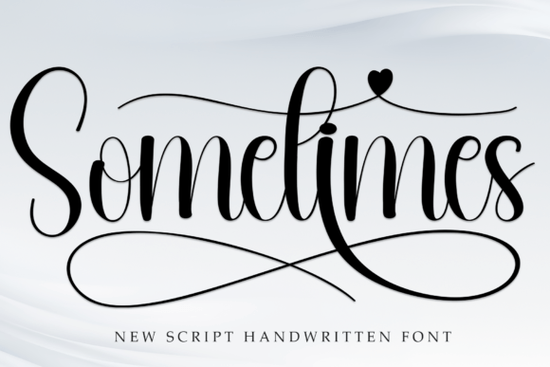
If you need a typeface that feels warm, Sometimes adds a genuine hand-lettered quality to projects. Unlike rigid typed styles, this fresh casual script captures everyday writing softness while staying highly readable. Crafters and small business owners use it when they want customers to feel personally welcomed. The flowing strokes suit wedding stationery, greeting cards, and boutique branding where a gentle touch works best. Designers often search for Sometimes to add immediate character to personal papers and small merchandise.
What kinds of projects actually benefit from this relaxed script?
This design shines brightest when you want your message to feel unhurried. Wedding invitations naturally benefit from its romantic slant, especially with minimal floral line art. You will also find it working well on product packaging, gift tags, and social graphics that need a human touch without sacrificing clarity. The consistent baseline rhythm keeps letterforms legible at smaller sizes, which matters for custom mugs, tote bags, and fabric transfers. Choosing a personality-driven typeface helps your work stand out without relying on heavy color palettes.
How do I combine it with other letters for contrast?
Mixing distinct style families prevents layouts from feeling repetitive. Creators balance this flowing script with clean sans-serifs for body text. Pairing it with a structured display keeps contact info sharp while letting headlines breathe. Try complementary styles like bold curved scripts for emphasis, or use modern outline options for transparent layer effects. Testing high-contrast combinations ensures readability across screens and prints, saving time during file preparation.
Which technical settings prevent mistakes during production?
Before sending designs to a cutting machine, verify outline paths and character spacing. Convert text to outlines before exporting high-resolution PDFs to avoid missing glyphs on different computers. If you sell digital planners, embedding preview fonts guarantees consistency across platforms. You can streamline alignment by referencing clean alphabet sets for better grid control, or explore playful child-friendly styles for educational materials. Always check proofs on actual paper, since ink absorption changes visual weight compared to screens.
Where does this style fit best in modern branding?
Boutique studios rely on approachable handwriting aesthetics to communicate authenticity. This selection suits lifestyle brands, bakeries, bridal consultancies, and handmade jewelry lines. Gentle curves soften corporate templates without overwhelming primary messages. Designers familiar with elegant cursive options keep this in their toolkit for seasonal campaigns. Reserve decorative scripts for headlines. Pair them with functional body text to maintain hierarchy while delivering a crafted feel.
How can I prepare files for scaling across multiple products?
Exporting assets correctly keeps your typography crisp across different formats. Save layered PSD files for future edits, but duplicate flattened PNG versions with transparent backgrounds for quick mockup placement. Watch kerning closely when adding space between letters, as wider gaps cause visual imbalance on narrow formats like tea labels. Running a quick test print catches bleed issues before bulk runs. Keeping organized master folders speeds up repetitive cycles.
Quick prep checklist for your next design run
- Verify that all text elements are converted to editable vectors before final export
- Check baseline alignment against your background textures to prevent visual drifting
- Test contrast ratios on both light and dark mockups before publishing listings
- Back up your original font files separately from active project folders
- Save three resolution variants (screen preview, print-ready, and vector SVG) for reuse
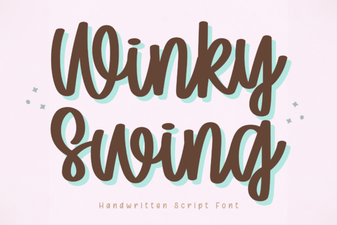 Creative Projects Using the Winky Swing Font
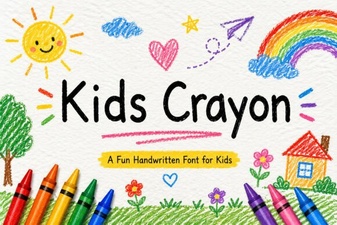 A Creative Crayon Font for Kids Art Projects
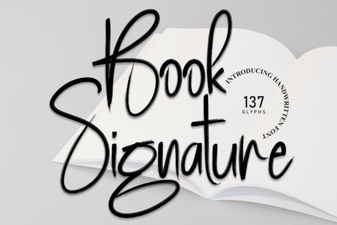 Find Your Signature: Perfect Font for Authors & Readers
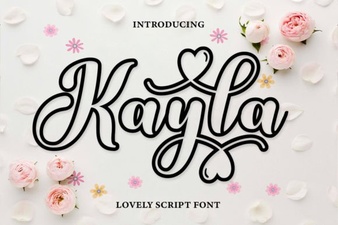 The Kayla Outline Font for Creative Projects
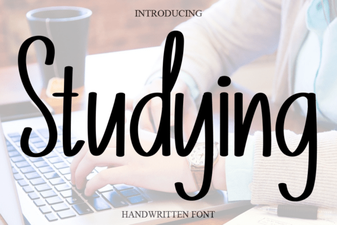 Fonts for Designers: Readability and Project Ideas
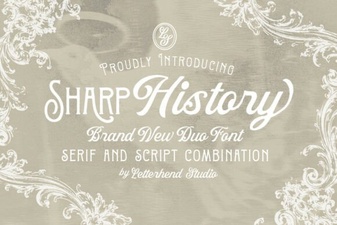 Sharp History Font: Design Concepts & Usage Guide