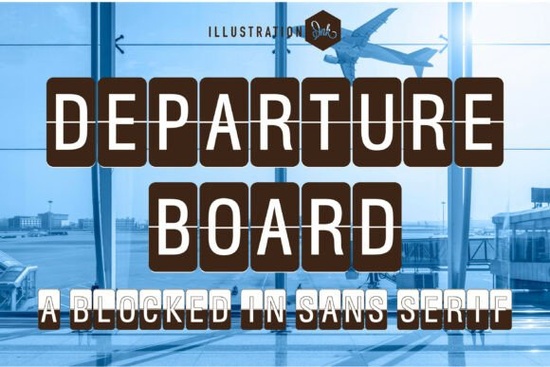
If you have ever walked through a mid-century airport or watched a legacy train station update its arrivals display, you know how instantly recognizable split-flap typography feels. That distinct mechanical look relies on heavy blocks divided by a thin horizontal gap, creating a nostalgic yet highly functional aesthetic. For designers and crafters who want to capture that transit-inspired vibe without custom drawing each letter, Departure Board Font provides a ready-to-use solution. The typeface features uppercase sans-serif characters nested inside tall, rounded rectangular capsules that mimic traditional mechanical flip displays. Because the design includes a precise center line cut across every glyph, it delivers consistent spacing and sharp visual rhythm. You can drop these letters into headers, event banners, or merchandise layouts and immediately establish a structured, industrial mood.
How does this split-flap style work for print and digital projects?
Display typefaces with segmented letterforms require careful attention to scale and placement. When you set large headlines, the horizontal divider draws the eye and creates built-in negative space that keeps the design from feeling cramped. This makes the typeface particularly useful for short phrases rather than long body copy. Many small business owners pair it with clean geometric shapes or solid color blocks to maintain readability. If your current toolkit leans toward grunge or worn textures, you might also explore options found on our page for vintage distressed lettering to balance the clean mechanics with organic wear patterns. Digital mockups show how well these caps perform when printed on matte paper or applied to vinyl decals. The rigid structure stays legible even at smaller sizes, though keeping the horizontal gap intact is essential for that authentic transit sign feel.
Where can you apply this display typeface in your workflow?
Transit-themed typography works across several creative industries. Independent publishers often use it for issue dates, route maps, or chapter breaks in travel guides. Boutique brands sell luggage tags and boarding pass invitations that benefit from the same mechanical clarity. On social media, you can layer these uppercase blocks over photography backgrounds to create quote cards without losing impact. Print-on-demand sellers frequently turn these glyphs into metal tin signs or framed typographic prints. When planning larger campaigns, you might combine it with contrasting styles to create hierarchy. For example, pairing it with a flowing script like whimsical handwritten designs gives you a nice mix of rigid structure and casual warmth. Graphic designers also appreciate how it fits neatly into grid-based layouts. When building multi-tiered posters, you could pair it with strong academic display fonts to establish clear information hierarchy before adding decorative accents.
What design considerations should you keep in mind before downloading?
Segmented block letters look best when given enough breathing room. Crowding multiple lines together can make the center cuts blur visually, especially on busy backgrounds. Always check your kerning manually after inserting text, because the fixed capsule shape sometimes demands slightly wider tracking than standard fonts. High-contrast backgrounds help the white gaps stand out clearly. If you are designing dark mode interfaces or night-time event flyers, keep the outer shell color light enough to contrast against your chosen backdrop. Some creators find that adding a subtle drop shadow or inner border enhances the three-dimensional appearance without distorting the original vector paths. When exploring complementary assets, tropical vacation fonts offer a relaxed counterpoint that works well alongside transit schedules for resort promotions. Testing your files in both RGB and CMYK modes ensures the crisp edges survive screen previews and physical printing runs.
You can preview the full character set and licensing details on the official listing for Departure Board Font. This helps you verify which special symbols or punctuation marks are included before adding it to your active project folder.
How do I get the most out of this download?
Once you have the files unpacked, organize them by file extension and load only the formats your software supports. Designers typically need OTF or TTF versions for Adobe programs, while machine users prefer SVG outlines for cutting. Keep a master sketch of your layout before typing, since split-flap characters demand deliberate composition. Measure your headline width early to avoid awkward word breaks that ruin the mechanical rhythm. Run a final export test on actual materials like cardstock or heat-transfer vinyl to catch any thin stroke issues. If your designs call for heavier strokes or rougher finishes later, checking out resources tagged with bold textured lettering gives you another direction to experiment with. Small adjustments to baseline alignment and line height will make your transit-inspired layouts feel polished and ready for commercial distribution.
Quick setup checklist:
- Confirm your design software reads the font file format correctly before starting.
- Set your headline size at least 72 pt to let the segmented caps breathe.
- Add extra tracking so the horizontal center cuts stay visible.
- Test contrast ratios against your background color in both light and dark modes.
- Export a proof PDF and view it at 100% zoom to inspect the split baselines.
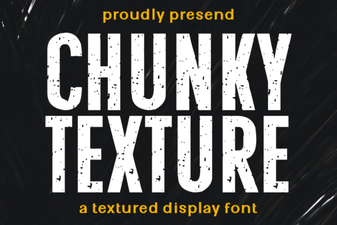 Chunky Text Fonts for Bold Design Statements
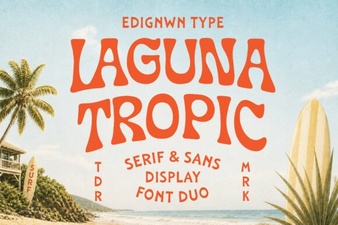 Laguna Tropic: Font Inspiration & Usage Guide
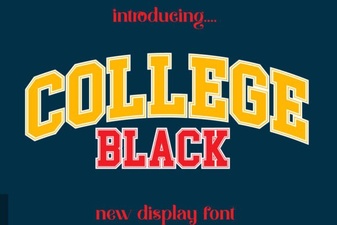 Clean Fonts for Academic Design Projects
 Welcome Font Designs: Creative Style & User-Friendly Guides
 Sunspell Font: Creative Design Ideas & Free Download
 Sharp History Font: Design Concepts & Usage Guide