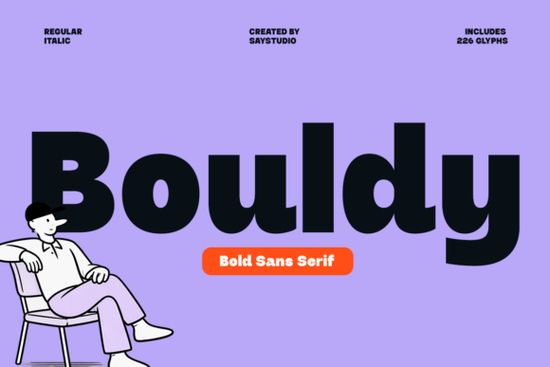
If you are looking for a typeface that delivers immediate visual impact without sacrificing readability, a heavy sans serif like Bouldy Font often fits the bill perfectly. Modern branding relies on clear, confident letterforms that stop the scroll and grab attention fast. This style combines thick strokes with soft, rounded edges to create a look that feels both authoritative and approachable. Designers, crafters, and print-on-demand sellers frequently choose it for projects needing energy and creativity while staying easy to read at a glance.
What makes this display type different from standard headings?
The secret lies in balancing weight with warmth. Many bold typefaces feel rigid, but rounded terminals and open counters give this font a slightly playful character. Those smooth curves soften the overall impression, making it suitable for lifestyle brands, coffee shops, children’s products, and casual apparel lines. When you compare it to sharper alternatives or explore options like Bourgueil or Norfleet Sketch, you quickly notice how shape language shifts the entire mood of a layout. Thick letterforms demand space, so pairing them with plenty of negative area prevents your design from feeling cramped.
Which projects actually benefit from heavy sans serif type?
You will find this font highly versatile across several commercial categories. Small business owners often use it for logo construction because the heavy weight holds up well when scaled down or embroidered onto hats and tote bags. You can browse additional examples on the dedicated collection to see how the type scales across different materials. Print-on-demand creators rely on it for bold typography tees, mugs, and wall art where readability matters more than fine detail. Social media managers also reach for it when designing quote graphics, sale announcements, or event posters. The thick strokes render cleanly on both screens and physical prints, reducing the need for constant adjustments during production.
How do you build a complete typographic hierarchy around it?
Pairing strategies matter just as much as picking the right base type. Since this style already carries strong visual weight, combining it with a lighter sans serif or a clean geometric body text creates clear contrast. You can experiment with minimalist font combinations to let the heavy headline breathe, or lean into outdoor themes by exploring Adventure Sans Serif Fonts for balanced campaign layouts. Always test your pairings at actual production sizes before finalizing artwork. Scaling down a heavy display face too much can cause ink spread or pixelation, especially on textured fabrics. Choosing the right companion font keeps your composition from fighting for dominance.
Are there any setup considerations for commercial use?
Before adding new typefaces to your workspace, checking licensing terms and file formats protects both your clients and your reputation. Most marketplaces provide ready-to-install OpenType files that support standard weights and stylistic alternates. You should verify whether extended character sets include currency symbols, accented characters, or ligatures if your work targets international audiences. Some creators prefer to link fonts through software rather than embedding them directly into project files, which keeps package sizes smaller. For designers who need a reliable reference point, checking the official source for Bouldy Font ensures you get the correct version and usage guidelines.
When should you reconsider a bold headline style?
Heavy typefaces excel at grabbing attention, but they are not always the best choice for long paragraphs or delicate branding systems. If your project requires subtle elegance, fine line work, or extensive body copy, a lighter alternative will serve better. The goal is matching visual strength to message importance. A poster selling an outdoor gear workshop thrives on loud, grounded letters, while a boutique skincare label might prefer restrained spacing. Knowing when to step back and let whitespace take center stage separates amateur layouts from professional designs. Review your mockups at thumbnail size to confirm the hierarchy still reads clearly under pressure.
Before committing to a final layout, run through this quick verification list:
- Test at production size: Check how the heavy strokes behave when printed on fabric, vinyl, or small product tags.
- Verify character support: Confirm all required punctuation, numbers, and special symbols are included in the package.
- Prioritize contrast: Pair the headline with a clean, uncluttered body font to maintain readability.
- Audit spacing settings: Adjust tracking and leading so thick letterforms never touch or create awkward gaps.
Start by building three sample compositions using different background colors and image overlays. Compare which arrangement communicates your brand voice most clearly, then lock those spacing values into a reusable template. This habit cuts revision time dramatically and keeps your output consistent across seasons.
Learn More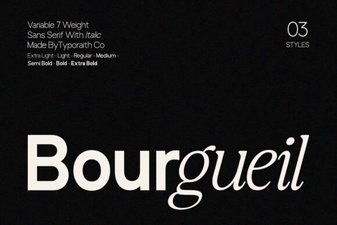 The Bourgueil Font: Design & Project Inspiration
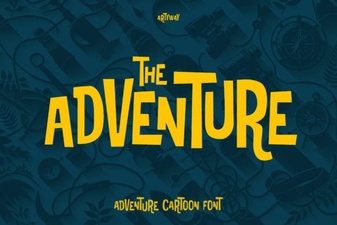 Adventure Font Design Ideas for Creative Projects
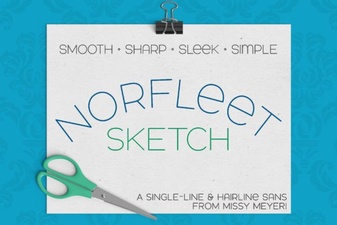 Nor Fleeting Ideas: the Single Line Sketch Font
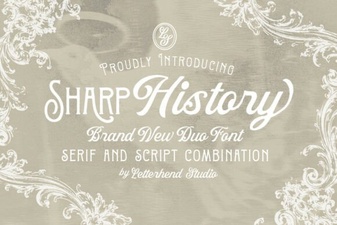 Sharp History Font: Design Concepts & Usage Guide
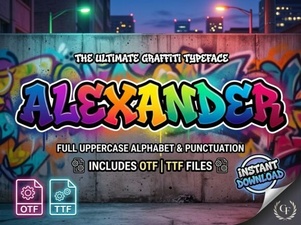 Download the Alexander Font for Your Creative Projects
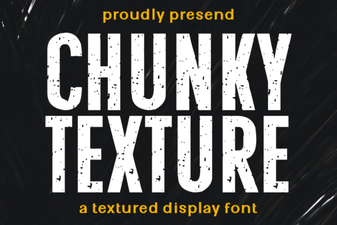 Chunky Text Fonts for Bold Design Statements