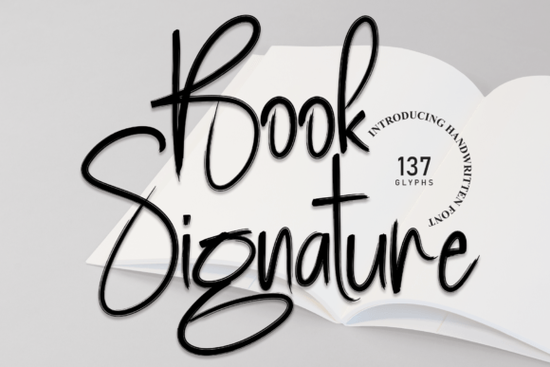
If you want a typeface that adds a personal touch without overwhelming your layout, this delicate and flowing handwritten font is worth a closer look. The Book Signature Font features well-balanced characters that read smoothly across different mediums. Whether you are designing printable quotes as a creative hobbyist, planning wedding stationery, or uploading custom cut files to online marketplaces, its gentle curves fit naturally into both minimalist and ornate compositions. Download the complete set to experiment with spacing and pairing before finalizing your project.
Why does a balanced script matter in everyday designs?
Hand-drawn lettering often suffers from inconsistent spacing or overly thick strokes that clash with clean backgrounds. A well-crafted typeface avoids those pitfalls by maintaining steady proportions while still feeling organic. When you pull the font files onto your desktop, you will notice how the letters connect without awkward gaps. This consistency helps keep margins predictable when you are setting up templates for online shops or preparing batch orders for local clients. Readers also find it easier to scan short phrases when the baseline stays level. That stability cuts revision time and removes heavy kerning tasks.
How do you choose the right file formats for your workflow?
Most creators work across multiple platforms, so having flexible options matters. Check that your package includes OTF and TTF versions alongside SVG or PNG assets if you plan to slice elements for vinyl cutters. Keeping both vector and raster copies on hand covers everything from scaling logos to sending high-resolution PDFs. You can view the complete collection via Book Signature Font. When running a small storefront, storing duplicate backups on cloud drives prevents last-minute rushes when a client requests a quick turnaround.
Where can you apply this kind of lettering effectively?
You will find many practical uses across different niches. Crafters often layer these glyphs over watercolor textures or matte paper mockups to create journal pages and scrapbook layouts. Print-on-demand sellers tend to place the characters along the center seam of apparel or nest them into tote bag designs where curved typography matches the fabric fold. Small business owners appreciate how the style bridges traditional branding and modern digital ads. For a smoother experience, test the letters against neutral tones like cream or slate rather than high-contrast black-and-white setups. You can also explore other elegant options, such as the Sometimes Script collection, which shares a similar relaxed rhythm, or browse the Strawberry Script set for slightly bolder weight variations. Pairing this main typeface with simpler sans-serifs keeps focus on the message.
What steps should you follow before publishing a finished piece?
Reviewing spacing comes first. Zoom out to thumbnail size to catch uneven clusters or overlapping strokes that disappear at full scale. Next, convert all outlines to paths if you are exporting for embroidery machines or laser engravers, since some software struggles with live editable text. Finally, run a quick proofprint on the actual paper stock you intend to use. Many designers keep a standard review routine to prevent rushed uploads. When testing new scripts, try laying out a greeting card template, then swap in the Kayla Outline variation to compare open versus closed shapes. Keep notes on which background colors improve legibility. If you need a more structured approach, reviewing the School Style guide offers reliable spacing benchmarks that work across commercial licenses.
How do you stay organized when managing multiple typography projects?
Naming conventions save hours down the line. Tag your files with project codes, revision numbers, and date stamps instead of generic labels. Store color swatches alongside the font folder so you never hunt for hex values again. When sharing drafts with collaborators, export flat JPEGs to preview alignment before unlocking editable layers. Testing readability on mobile screens catches scaling issues early, especially for Instagram story templates or email headers. You might also want to compare this design with the Winky Swing style to see how different hook lengths affect sentence flow. Build a simple resource sheet that tracks licensing terms and recommended point sizes for print versus screen. Regular updates keep your workflow predictable.
Ready to move forward? Follow this quick checklist to finish your first mockup:
- Drag the included font files into your application menu and type three short phrases.
- Adjust tracking by plus or minus two points until the spacing feels balanced.
- Export one flat JPEG for social media and one print-ready PDF with embedded outlines.
- Save both versions under a consistent naming system and lock the original source file.
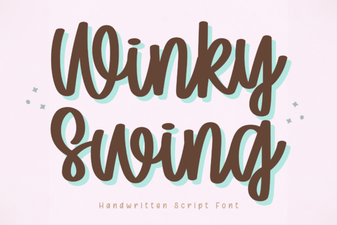 Creative Projects Using the Winky Swing Font
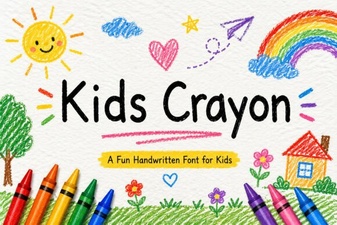 A Creative Crayon Font for Kids Art Projects
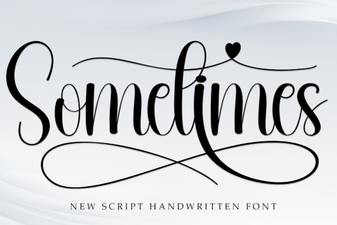 Sometimes Font: a Creative Guide for Dynamic Design
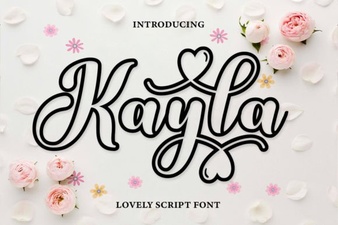 The Kayla Outline Font for Creative Projects
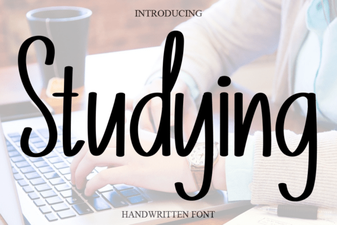 Fonts for Designers: Readability and Project Ideas
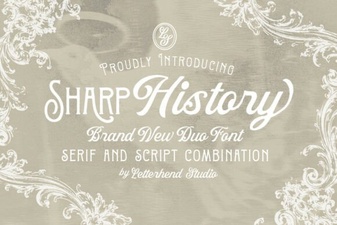 Sharp History Font: Design Concepts & Usage Guide