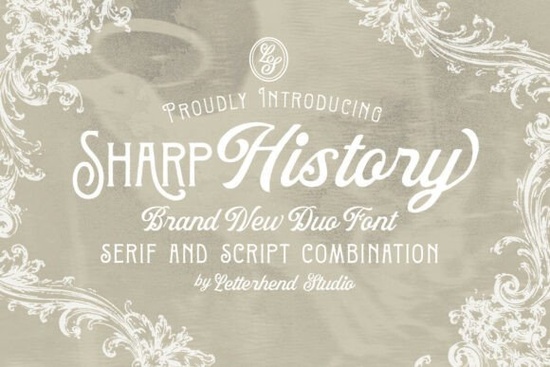
When you need a typeface that instantly adds warmth and sophistication to your layouts, Sharp History Font delivers exactly that. This vintage-inspired pair brings together a decorative serif and a fluid script, giving you two distinct voices in one package. The serif version carries classic structure with quiet ornamental touches, while the accompanying script offers a gentle, handwritten rhythm perfect for signing off names or highlighting key phrases. Together, they create a cohesive aesthetic without feeling overly matched or forced.
Designers and crafters often struggle to balance elegance with readability. This duo solves that problem by separating decorative duties from structural ones. You can let the serif handle long passages or display headers, then switch to the script for personal touches. That division keeps your typography hierarchy clear while still delivering a polished, retro-modern feel.
What makes this serif pairing work so well together?
The secret lies in their shared historical inspiration. Both styles draw from early nineteenth-century printing traditions, which means their x-heights, stroke weights, and curve endings naturally complement each other. The serif features subtle flourishes at the terminals, giving printed pieces a tactile quality. Meanwhile, the script maintains a relaxed baseline and consistent loop openings, which prevents cramped letterforms when used at smaller sizes. When placed side by side, these characteristics create visual rhythm rather than competition.
You will notice this harmony most clearly in project types that require both authority and intimacy. Wedding invitations benefit from the serif’s formal presence, while the script works beautifully for guest names or date callouts. Small business owners also find value in this split personality: the serif anchors brand guidelines, and the script adds approachability to social media graphics or product labels.
How can I actually use this duo in my projects?
Start by mapping out where decoration should take a backseat. Use the serif for main headlines, chapter titles, or packaging copy that needs to read quickly. Reserve the script for signatures, quote blocks, or custom monograms. Because the script flows naturally left to right, it performs best when given ample breathing room around it. Tight tracking or heavy backgrounds will flatten its organic movement.
If you are working on print-on-demand templates, consider breaking your design into layers. Place the serif on the base grid, then overlay the script along a slight curve or freeform path. This technique mimics traditional letterpress spacing and elevates standard mockups. Greeting card makers can also test contrast by setting the serif in muted earth tones while keeping the script in rich ink washes. The result feels archival without looking dated.
Where should I look when I need similar vintage-style typefaces?
Exploring curated serif collections helps you build consistent typography systems across multiple campaigns. If you prefer bolder display options, browsing a dedicated selection of sturdy serif typefaces provides reliable alternatives for headlines that need more visual weight. For layout-heavy projects, checking out an editorial-focused serif set gives you proven pairings suited to magazines and long-form content. When you need to see the full library of styles and alternate characters for this specific release, the dedicated style showcase offers direct previews alongside compatible pairing recommendations.
Are there any technical things I should check before downloading?
Always verify the included file formats and license terms before starting production. Most modern bundles provide OpenType features, multiple weights, and ligature support, which streamline workflow during the design phase. Test your chosen combinations in your preferred software by copying sample text and adjusting baseline shifts until the vertical rhythm aligns. If you want to study additional historical references or explore how other creators apply similar lettering styles, you can review the official Sharp History Font listing for updated specifications and designer notes.
- Set up separate style sheets for the serif and script versions to maintain consistent spacing rules.
- Print a test sheet at actual size to evaluate legibility against different paper textures.
- Backup your working documents with embedded fonts to prevent shifting during client handoffs.
- Adjust kerning manually when the script touches sharp serif terminals, avoiding accidental visual collisions.
This straightforward approach saves time and reduces revision cycles. Once your hierarchy is locked, you can reuse the setup across seasonal collections without reinventing the layout each round.
Try It Free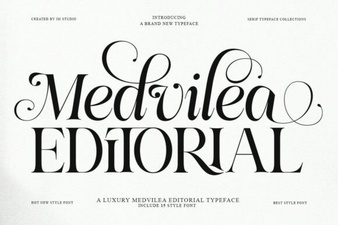 Medvilea Font: Editorial Design & Typography Projects
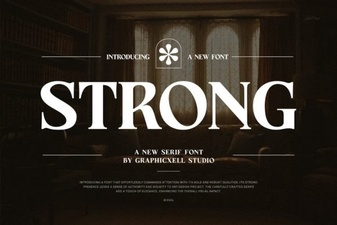 Choosing the Right Strong Font for Your Design
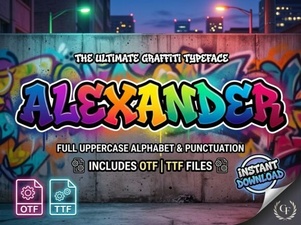 Download the Alexander Font for Your Creative Projects
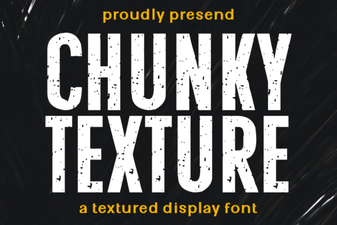 Chunky Text Fonts for Bold Design Statements
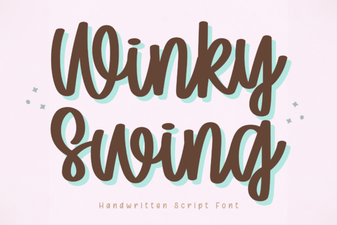 Creative Projects Using the Winky Swing Font
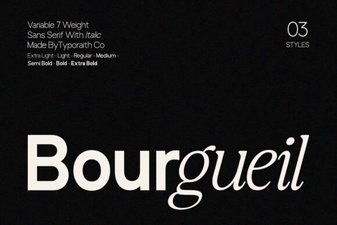 The Bourgueil Font: Design & Project Inspiration