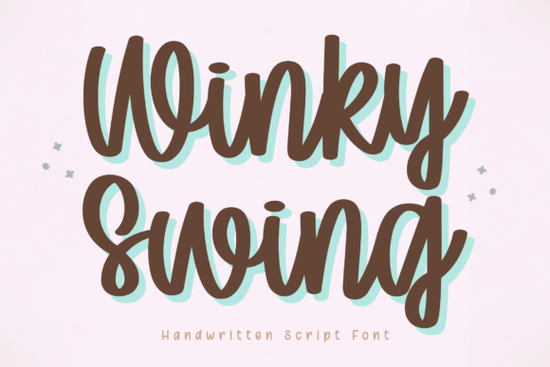
If you need a script that feels relaxed but still reads cleanly off a screen or printed label, Winky Swing Font delivers exactly that balance. Rather than forcing tight loops or overly dramatic flourishes, it keeps a light, steady rhythm that works well whether you are sketching out a logo mockup or preparing files for a home studio. The letterforms carry a subtle bounce that gives designs a friendly voice without sacrificing the clarity buyers expect from everyday branding.
Is this hand-drawn style actually legible?
Many crafters worry that playful scripts become difficult to scan quickly. This typeface solves that problem by spacing each character generously and keeping baseline alignment consistent. The strokes flow smoothly into one another, which helps maintain readability even at smaller sizes. When you pair it with a simpler sans-serif for secondary text, the contrast becomes immediately apparent. You will notice how easily viewers can read headlines meant for social posts or product tags. For makers who usually lean toward something more structured, checking out the Maddison typeface shows how slight variations in stroke weight change the overall mood while keeping the same clean foundation.
What projects fit this casual script best?
Because the design stays approachable, it transitions quietly between several popular categories. Digital planners benefit from its gentle curves when laying out daily checklists or weekly goals. Small business owners often use it for packaging stickers and thank-you cards because it looks personal without appearing unfinished. Social content creators also reach for it when designing quote graphics or promotional banners. If your usual workflow involves colorful educational materials, exploring a crayon-style alphabet might complement this lighter script when building classroom resources or children activity sheets.
Why cutters and vinyl users prefer it
Software programs rely on predictable path directions to generate clean cuts. The smooth entry and exit points in this design reduce tangled weeds and broken segments during export. You can send straight to cutting machines without chasing down stray anchor points or over-compensating with kerning tweaks. Many laser engravers and sublimation printers also appreciate the balanced negative space, which prevents heat buildup or ink pooling on textured surfaces. When planning study journal layouts or academic trackers, swapping in a focused planner style often creates the exact hierarchy needed to keep pages organized.
Can it hold up for repeated commercial use?
Reliability matters most when you scale orders or manage multiple client requests. The consistent thickness across caps and lowercase letters means files stay stable after resizing or rotating. Color shifts remain uniform, and layer breakdowns usually export cleanly into standard formats. Designers frequently test this face alongside solid geometric shapes to verify visual harmony before finalizing brand kits. You can review full specifications and licensing details directly through Winky Swing Font on the platform. Keeping a reliable reference page open speeds up sourcing and ensures you always have the correct version linked to your project settings.
How do I pair it without creating visual clutter?
The key is letting the script own the main headline while using neutral fonts for body copy. Try placing short phrases in all caps above or below the flowing line to ground the layout. Stick to two or three colors per piece so the personality stays centered rather than competing with background textures. When working on long-form documents like guides or recipes, switching to a formal signature style for chapter dividers maintains professionalism without losing the handwritten warmth.
Quick setup checklist:
- Download the latest package and unzip all included formats
- Install the .ttf or .otf file following your operating system instructions
- Open your design software and set leading to roughly 1.3 times the font size
- Preview exports at actual print dimensions before uploading to cutting software
- Test color contrast against both light and dark backgrounds to verify scanability
When your first draft prints clearly and aligns smoothly through your machine, save the template folder and duplicate it for future batches. That habit cuts down revision time and keeps your production line moving steadily.
Try It Free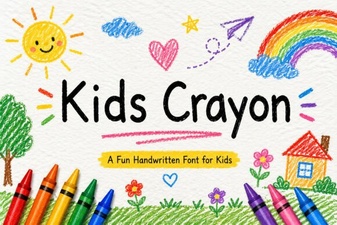 A Creative Crayon Font for Kids Art Projects
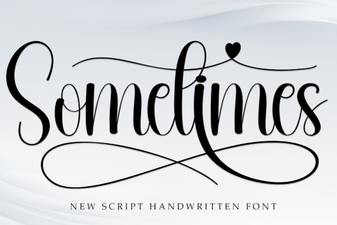 Sometimes Font: a Creative Guide for Dynamic Design
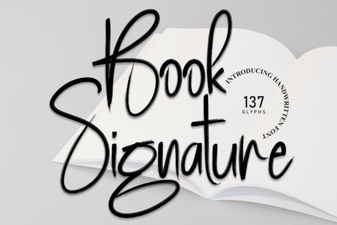 Find Your Signature: Perfect Font for Authors & Readers
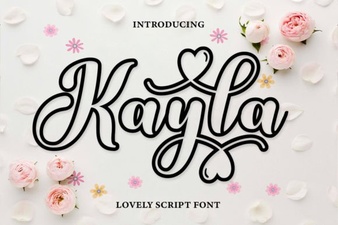 The Kayla Outline Font for Creative Projects
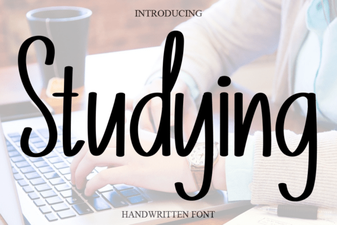 Fonts for Designers: Readability and Project Ideas
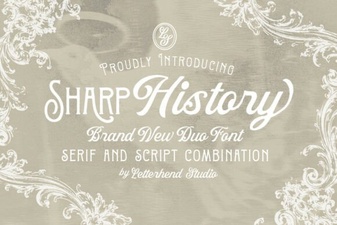 Sharp History Font: Design Concepts & Usage Guide