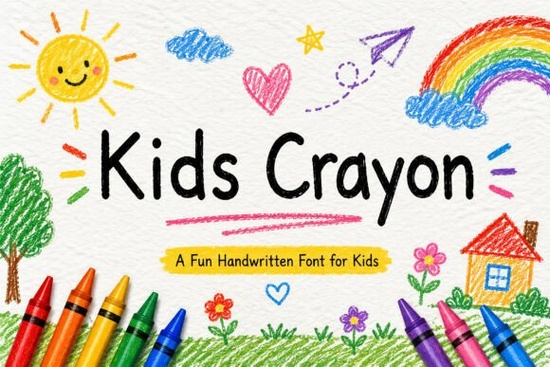
When you need lettering that feels immediately approachable and warm, Kids Crayon Font delivers exactly that without requiring advanced design skills. Whether you are building printable worksheets, designing custom sticker sheets for small shops, or laying out birthday party invites, this style bridges the gap between professional layout and genuine handmade charm. The character set covers full uppercase and lowercase alphabets, numbers, and common punctuation marks, while also supporting multiple languages through its extended character mappings. Because the strokes mimic real wax crayon pressure, each line carries subtle width variations that keep repetitive text from feeling flat.
How does this kind of playful lettering improve learning materials?
Young readers respond strongly to visual warmth, which is why many educators swap standard sans-serif headers for hand-drawn alternatives. Activity sheets suddenly look less like corporate memos and more like a teacher’s personal note. When you add the same script to coloring book covers or alphabet flashcards, children associate the letters with play rather than strict drills. This subtle shift matters during early literacy phases, where positive emotional cues speed up recognition. Print-on-demand creators often notice higher engagement on listings that feature this level of personality, because parents instantly recognize a product meant for their households.
Why do irregular ink edges read better than perfect digital lines?
Digital precision sometimes works against projects aimed at younger audiences. When edges remain too sharp, the design feels distant. Handwritten textures introduce slight imperfections that mirror actual pencils pressing onto paper. Those micro-variations catch the eye differently, making headlines pop without demanding heavy contrast. You will find similar results when pairing this style with other loose letterforms. Exploring options like when casual scripts meet everyday layouts often reveals how mixed handwriting creates rhythm. Meanwhile, leaning toward gentler curves aligns well with resources found at soft berry-inspired script collections, which share that same relaxed stroke weight.
What technical details actually change your workflow?
Many designers skip checking file specs until after purchase, only to discover missing glyphs. This package includes PUA encoding alongside standard Unicode placement, giving you flexibility when working with older design software or template marketplaces that prefer alternate character slots. Multilingual support means you can drop titles for Spanish, French, or Portuguese materials without hunting for secondary downloads. Crafters who export files directly to cutting machines appreciate that the paths remain clean and scalable, reducing accidental jagged edges during vinyl transfers.
How do you combine different handwriting styles without creating clutter?
Mixing scripts works best when you establish clear hierarchy. Use your strongest hand-drawn typeface for main titles, then pair it with simpler alternatives for body copy or secondary badges. If you already own a collection focused on neat geometric letters, looking into clean alphabet arrangements provides a stable foundation that lets the crayon-style stand out. For retail packaging, balancing bold headlines with refined accents keeps the composition readable from a distance. Many small business owners also reference modern lettering sets when they need contrasting shapes for logo drafts. Adding structured options like those available through academic-themed script libraries helps maintain balance when blending playful energy with organized spacing.
Where should you test files before committing to bulk production?
Rasterizing text at low resolutions often hides important details, so always preview your typography at actual print dimensions before exporting final files. Open the character map to verify that special characters render correctly, especially if your project includes non-Latin diacritics. Once confirmed, run a quick proof on scrap paper using the same material you plan for sale. Vinyl layers and cardstock react differently to thin hairline weights, so adjusting stroke thickness by a fraction usually prevents costly reprints. You can review official usage guidelines directly on Kids Crayon to confirm commercial terms and licensing boundaries.
Which steps guarantee consistent output across multiple products?
Follow this quick verification routine before uploading any new listing:
- Set up a master document with locked guides marking safe margins and bleed zones
- Save editable source files alongside flattened exports to allow future tweaks
- Test every language pack individually to catch missing glyph placeholders
- Keep a color palette sheet that matches screen previews to your printer’s CMYK references
- Document your layer structure so outsourced printers follow the same spacing rules
Sticking to these habits keeps your shop inventory looking cohesive, even when product categories expand beyond your initial launch items.
Ready to start your next hands-on project?
Open your preferred design program, import the type files, and arrange sample phrases along the center guide. Adjust tracking until the letters breathe naturally, then add supporting icons or simple shape frames to ground the composition. Export high-resolution PNGs for mockups, vector versions for cutting tools, and lightweight JPGs for online galleries. Keep a separate folder for revised iterations so older drafts never get accidentally reused. When your layout reaches final polish, double-check kerning pairs around tricky combinations like AV and WA. Small alignment fixes rarely take long, yet they completely change how polished the finished piece appears under close inspection. Track which pairings draw the most buyer feedback, and let that data guide future updates.
Download Now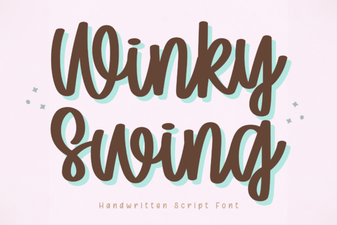 Creative Projects Using the Winky Swing Font
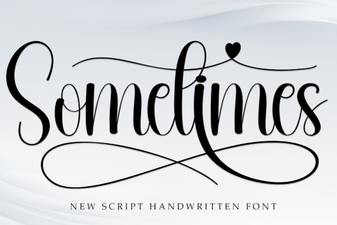 Sometimes Font: a Creative Guide for Dynamic Design
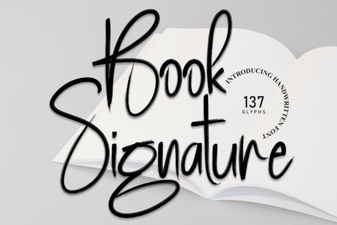 Find Your Signature: Perfect Font for Authors & Readers
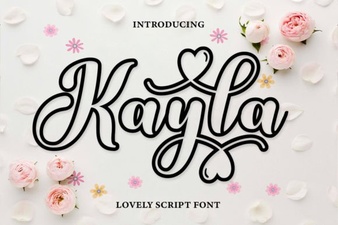 The Kayla Outline Font for Creative Projects
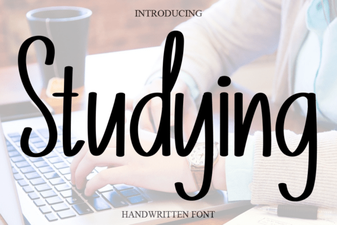 Fonts for Designers: Readability and Project Ideas
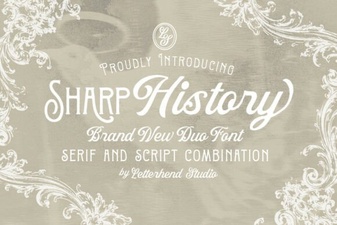 Sharp History Font: Design Concepts & Usage Guide