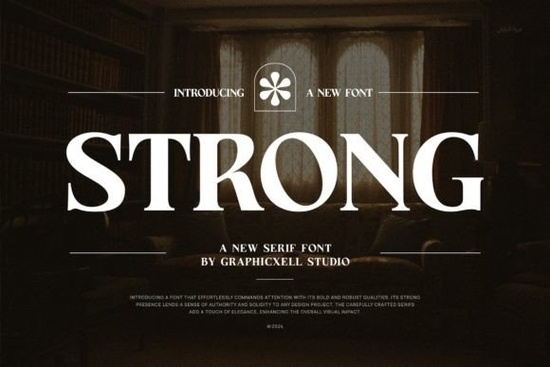
If you need a reliable serif typeface that balances classic elegance with modern clarity, looking into Strong Font is a smart move. This typeface delivers clean line work and balanced proportions, making it straightforward to use across commercial and personal projects. Instead of wasting time tweaking spacing or hunting for alternative character sets, you get a ready-to-use layout tool that reads well at both large display sizes and smaller text blocks.
What actually improves readability with traditional letterforms?
The core challenge with many decorative typefaces is balancing visual personality with legibility. Designers often struggle when ornate details overpower the actual words, leaving customers unable to scan menus or product labels quickly. This structural approach works reliably within your chosen {category}, whether you focus on branding, packaging, or event stationery. This elegant serif typeface solves that problem by keeping x-heights generous and stroke weights consistent. You will notice how the terminals open up cleanly, which prevents ink bleed during printing and keeps digital screens crisp. Small business owners and print-on-demand sellers rely on this clarity because it cuts down on revision rounds. When your audience can read a graphic without effort, your message lands faster.
Which specific projects benefit most from this styling?
You can deploy this font family across almost any layout that calls for refined typography. Wedding invitation suites, luxury brand identities, and editorial magazines all respond well to its structured rhythm. Crafters frequently use it for t-shirt graphics, mug wraps, and sticker sheets where sharp contrast matters. Boutique shops pair the regular weight with lighter variants for subtle hierarchy, then switch to bolder settings for headlines that need instant attention. You might also want to browse curated typography packs over at serif collections for commercial use to see how other professionals structure their asset libraries.
How does the encoding system simplify your workflow?
One feature that saves hours during production is the PUA encoding built directly into the file. Traditional fonts sometimes hide alternate glyphs, swashes, or historical ligatures behind clunky OpenType menus. With PUA mapping, every available character sits at an accessible keyboard shortcut position. Photographers and freelance illustrators appreciate being able to pull specialized accents and decorative dividers without breaking alignment. The setup matches standard Adobe Illustrator and Canva workflows, so you can drop characters into templates without manual repositioning. If you want to preview the full character map before purchasing, checking out the live showcase for Strong Font gives you a clear view of every supported mark and layout option.
Where else can you find comparable professional serifs?
Building a versatile toolkit rarely relies on a single download. Exploring adjacent type families helps you maintain visual consistency while offering fresh variations for different clients. Designers frequently cross-reference older roman styles to round out their library. Browsing through specialized historical serif selections provides extra texture for vintage-style branding, while reviewing modern editorial layout templates reveals how top studios balance serif headings with simpler body copy. Mixing these resources lets you stay organized and deliver polished files that meet tight production deadlines.
How do you prepare your final files for consistent output?
Before you commit to licensing or mass production, run a quick verification step to catch scaling issues early. Print a physical proof at actual size, check kerning pairs on common combinations like AV, To, and Wa, and verify that thin strokes hold up during digital compression. Save your favorite character substitutions in a dedicated note file, and export your project using standard PDF settings if you plan to send it to a professional printer. Establish a repeatable export routine to eliminate guesswork and keep client files intact. Test the following steps before every major delivery:
- Verify PUA character placement matches your intended layout
- Check contrast levels against background colors at small sizes
- Confirm that linked images remain embedded or outlined correctly
- Review spelling and hyphenation across all pages before exporting
Track your preferred spacing values, save template presets for recurring job types, and archive unused drafts to keep your workspace light. When you prioritize systematic testing and organized asset management, your design pipeline stays predictable and your final products land exactly as planned.
Try It Free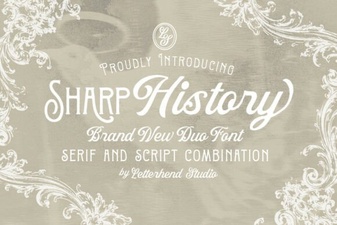 Sharp History Font: Design Concepts & Usage Guide
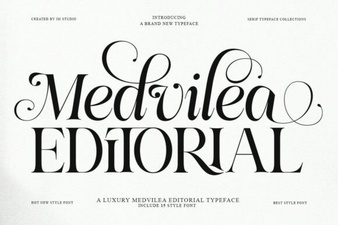 Medvilea Font: Editorial Design & Typography Projects
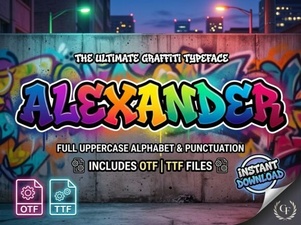 Download the Alexander Font for Your Creative Projects
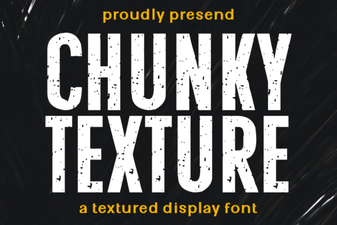 Chunky Text Fonts for Bold Design Statements
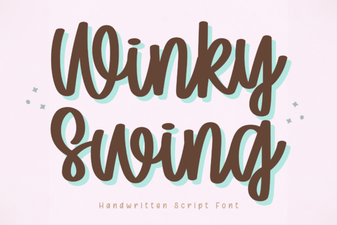 Creative Projects Using the Winky Swing Font
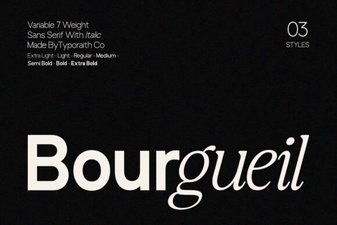 The Bourgueil Font: Design & Project Inspiration