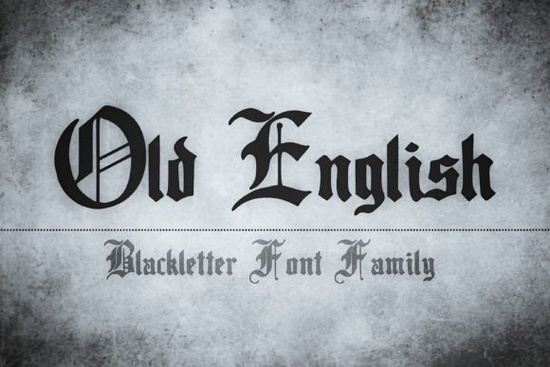
If you need a typeface that brings a strong sense of history to labels, merch, or branding work, the Old English Font delivers exactly that kind of timeless character. This antique blackletter style captures the medieval feel without overwhelming modern layouts when used correctly. Crafters and print-on-demand sellers often pair it with clean sans-serif typefaces to balance readability, while small business owners use it for tattoo shops, beer brands, and heritage-inspired packaging. The strokes are thick and dramatic, making it a solid choice for logos, patches, and large-format prints. You can experiment with line spacing and kerning to keep the design from feeling too heavy, especially when scaling down for smaller merchandise items.
How should I pair this historic style with other typography?
Blackletter faces demand careful companionship. A simple geometric sans-serif or a classic serif creates enough contrast to keep your message legible across t-shirts, mugs, and posters. Try setting headlines in this historic face while keeping subheaders and body copy light. You might also add a subtle drop shadow or a thin horizontal rule to separate sections without adding visual clutter. When designing for craft markets or online stores, stick to two fonts maximum. Too many competing styles dilute the vintage atmosphere you are trying to build. Remember to check how the letters sit next to each other at different sizes. Some combinations look striking on banners but become unreadable on product tags or social media thumbnails.
What files do I get, and how do I install them quickly?
Most downloads arrive as zip archives containing standard OpenType and TrueType versions. After extraction, place the files in your operating system’s font folder and restart your design software. Once active, you can access the typeface through your application’s dropdown menu alongside your regular library. Creative Fabrica organizes these downloads under a dedicated section for those searching for similar historic styles, so browsing the curated blackletter directory helps you compare weight variations and stylistic alternates before committing to a project. Installation usually takes less than a minute, leaving more time to sketch mockups or arrange layout grids. If you work across multiple computers, consider keeping a backup folder on an external drive or cloud storage to avoid reinstalling after updates.
Where does this vintage look actually perform well in commercial work?
Historical lettering works best when the brand story aligns with tradition, craftsmanship, or nostalgia. Tattoo studios, craft breweries, retro gaming cafes, and outdoor gear shops frequently lean into this aesthetic because it signals authenticity. POD sellers find it effective for fall collections, holiday greetings, and regional pride designs where a classic tone outperforms trendy script faces. For DIY hobbyists, it pairs nicely with distressed textures, parchment backgrounds, or hand-drawn border elements. You can test color contrasts by placing dark ink on cream paper or white outlines on deep navy fabric. Always run a quick proof on actual material before finalizing large orders. Paper stock, vinyl quality, and screen resolution all affect how sharp the thick strokes appear when produced.
Should I buy a single font license or explore the broader collection?
Licensing terms vary by creator, but most bundles offer clear usage rights for personal projects and commercial sales. Check the description for print runs, item limits, and web embedding permissions before uploading designs to marketplaces. If you plan to use this historic style regularly, reviewing additional options within {category} saves time later. Searching for reliable suppliers through channels like Old English Font helps you verify file compatibility, read designer notes, and compare pricing tiers. Some packages include ligatures, swashes, or matching punctuation sets that make finishing titles faster. Take note of any excluded uses, such as reselling raw font files or claiming authorship. Staying within granted boundaries protects your shop from takedown notices and keeps your workflow smooth.
Quick setup checklist for stress-free publishing
- Verify font licenses against your intended print volume and platform rules
- Test kerning at both 300% scale and thumbnail size before export
- Export proofs on actual materials like cardstock, vinyl, or apparel blanks
- Back up source files alongside installed fonts for future revisions
- Adjust contrast if colors blend together on dark or textured surfaces
Next step: Open your design canvas, set margins to your printer’s bleed settings, and lay out your first mockup. Apply the font to a headline, pair it with a light sans-serif for subtext, and export a high-resolution preview. Run this quick test on a sample print before scheduling full production runs.
Learn More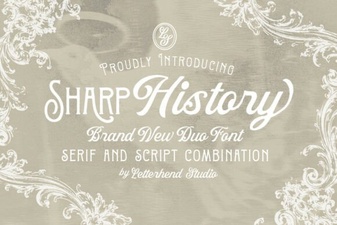 Sharp History Font: Design Concepts & Usage Guide
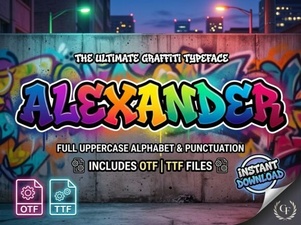 Download the Alexander Font for Your Creative Projects
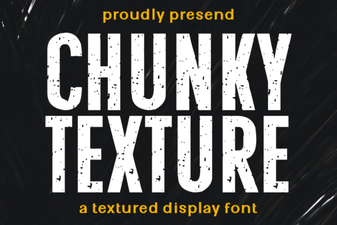 Chunky Text Fonts for Bold Design Statements
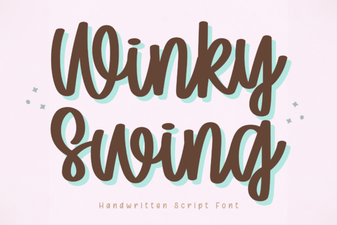 Creative Projects Using the Winky Swing Font
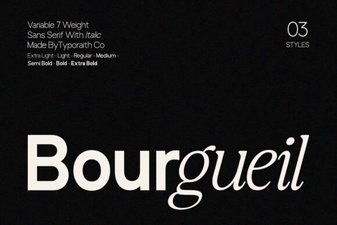 The Bourgueil Font: Design & Project Inspiration
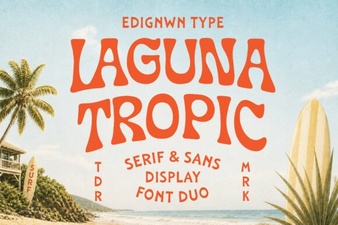 Laguna Tropic: Font Inspiration & Usage Guide