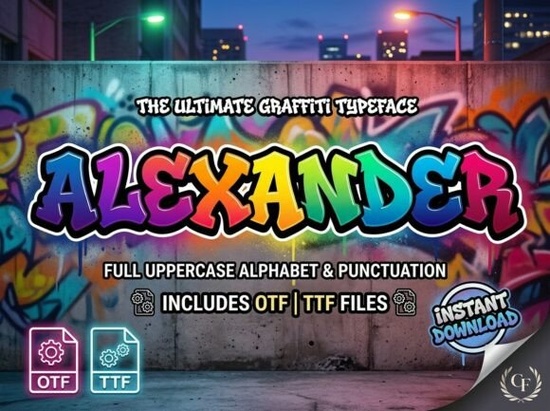
When you need typography that immediately grabs attention without relying on extra graphics, a bold decorative typeface like the Alexander Font fills that gap. It strips away the need for heavy embellishments because the letterforms themselves carry the visual weight. If you are sketching out concert posters, planning your next merch drop, or building a brand that needs instant recognition, understanding how this font functions in real projects will save you time and keep your output consistent.
Why Does This Typeface Stand Out From Standard Scripts?
Most modern design tools rely heavily on sans-serif or serif families for daily layouts. That works fine for body copy, but it rarely creates the stop-and-look effect required for hero images or storefront signage. This particular family leans into intricate detailing and deliberately broken curves that give each character a hand-crafted feel. The terminals often split or flare slightly, which adds rhythm when set large. Because of those artistic elements, it performs best when treated as a statement piece rather than a reading tool. Pairing it with ample negative space prevents the composition from feeling cluttered, while simple geometric accents can ground the heavier glyphs. If you browse a curated collection of similar styles, you will quickly notice how much easier it is to maintain visual hierarchy when the headline carries all the decorative load.
Which Projects Actually Benefit From High-Impact Lettering?
Not every file needs an ornamental treatment, but several everyday formats thrive when typography takes center stage. Here is where creators typically see the strongest results:
- Poster design: Large-scale event flyers and album art demand readable yet dramatic wording. The built-in contrast keeps text legible even when printed at reduced sizes.
- Brand identities and logos: Independent shops and creative studios often choose custom lettering to avoid corporate template fatigue. The stylized cuts translate cleanly into vector files.
- Apparel and tote bag prints: Screen printing and direct-to-garment workflows handle sharp contours well, making these characters ideal for hoodies, tees, and stickers.
- Social media quotes: Flat lays and quote graphics pop when the main phrase uses textured typography while the supporting details stay light.
- Packaging labels: Premium products gain perceived value when shelf presence relies on refined graphic shapes instead of busy illustrations.
Mixing this typeface with clean background photography or solid matte colors ensures the artwork never competes with itself.
Will It Run Smoothly Inside My Existing Software?
Technical compatibility usually dictates whether a new download actually gets used. This family installs easily across Windows and macOS systems, which removes licensing confusion for teams working on mixed devices. Once installed, the outlines render correctly in professional suites like Adobe Illustrator, Photoshop, and InDesign. Creators who prefer drag-and-drop platforms can also upload the files directly into Canva, Microsoft Word, or Cricut Design Space without encountering missing glyph errors. The OpenType structure supports standard kerning pairs, so adjusting spacing feels predictable rather than trial-and-error. For POD sellers pushing files through third-party marketplaces, exporting as SVG or transparent PNG keeps the edge details intact during auto-scaling.
If you are looking to explore complementary assets, checking out a related selection of decorative fonts helps you maintain consistency across campaign kits or seasonal collections.
How Do You Set It Up Without Losing Detail?
Decorative faces often require stricter export settings to preserve their intended character. Start by converting your text to paths or outlines before sending anything to a commercial printer. This locks in the specific curve breaks and prevents automatic substitution by mismatched system fonts. When designing for web or mobile feeds, scale the headline to at least twenty-four points on screen to ensure the smaller cutouts remain visible. Color placement matters too; lighter pastel backgrounds tend to soften intricate edges, while dark backdrops enhance contrast. Always preview your layout at actual print dimensions before finalizing, since rasterized previews can hide subtle gaps that become obvious on physical proofs.
Before you begin your next layout, run through this quick verification list to protect your work quality:
- Verify your software recognizes the full character set after installation.
- Set tracking slightly tighter to compensate for wide terminal flares.
- Export vector files in CMYK mode for press runs.
- Keep supporting text minimal so the headline remains the focal point.
- Test mockups on different device screens before publishing online.
Pairing careful spacing habits with the right export workflow turns a striking typeface into a reliable asset for years of client or personal projects.
Learn More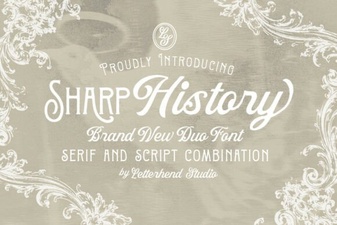 Sharp History Font: Design Concepts & Usage Guide
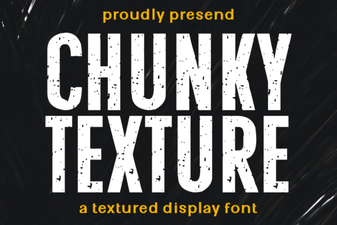 Chunky Text Fonts for Bold Design Statements
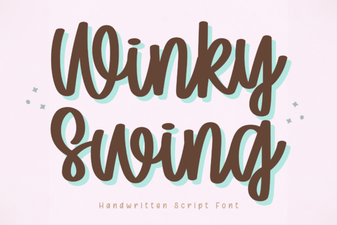 Creative Projects Using the Winky Swing Font
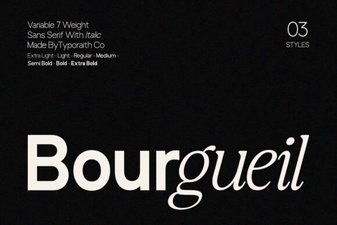 The Bourgueil Font: Design & Project Inspiration
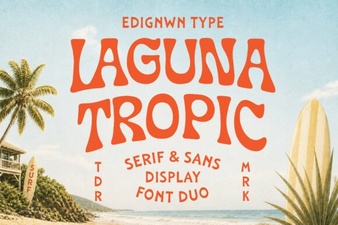 Laguna Tropic: Font Inspiration & Usage Guide
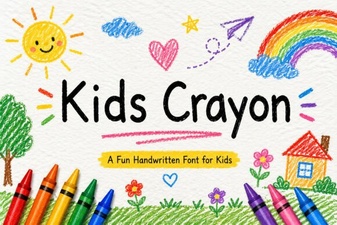 A Creative Crayon Font for Kids Art Projects