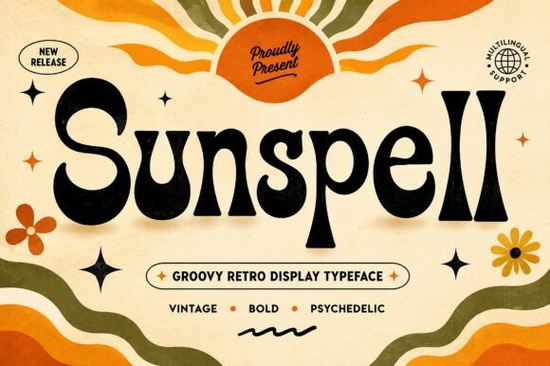
If you are looking for a typeface that captures the relaxed energy of seventies graphic design without feeling dated, Sunspell Font delivers exactly that. It is a bold retro display typeface built around flowing curves, high contrast strokes, and playful letterforms that read instantly eye-catching. Whether you are sketching up a weekend workshop flyer, drafting labels for a boutique coffee brand, or preparing files for a print-on-demand store, this font brings a handcrafted warmth that standard sans-serifs simply cannot replicate. You will find it includes complete uppercase and lowercase sets, numbers, punctuation, and decorative symbols, giving you plenty of room to experiment with layout and hierarchy.
Why does this retro style work for modern projects?
The original psychedelic poster movement and vintage retail branding relied heavily on organic shapes and confident weight shifts. Sunspell borrows those same principles while maintaining the crisp legibility modern screens demand. When you scale the letters up for editorial headlines or tuck them into tight corners for album artwork, the dramatic contrast between thick and thin strokes keeps the eye moving across the text. Because the letterforms have an almost painted rhythm, they sit well alongside photographic backgrounds, linen textures, or flat color blocks. Designers often use this weight distribution to create focal points without relying on heavy illustrations. If you want a reference point for how professionals balance heavy display faces with simpler body copy, you can often see similar hierarchies laid out in independent zines and local festival programs.
Practical note: This face is meant to carry the visual load. Pair it with a clean geometric sans-serif for paragraphs, and let the retro personality shine in your titles, logos, and packaging accents.
Which project types fit this typeface best?
You can drop these characters straight into almost any project that calls for nostalgia or handmade charm. Craft fair vendors frequently choose this style for tote bags, stickers, and enamel pins because the bold strokes survive small-scale printing without losing definition. Small business owners also reach for it when designing product tags, recipe cards, and seasonal sale banners. Here are a few common setups where it performs exceptionally well:
- Vintage-inspired event posters and concert flyers
- Retro branding kits and logo rough drafts
- Packaging mockups for candles, soaps, or specialty foods
- Apparel transfers and heat press designs
- Book jackets and independent music releases
- Social media quotes and promotional story templates
If you need a complementary display face that leans more toward mid-century advertising, checking out resources featuring bold slab serif options can help you build a full typographic system. For projects that require a slightly cleaner retro mood, exploring collections that offer sturdy block letters gives you another reliable fallback. Browse our dedicated gallery for this specific retro set to compare samples side by side before committing to a final color palette.
How should I prepare the files for production?
Getting the spacing right matters more than anything else when working with a heavy retro display typeface. Leave extra white space around short words so the curved terminals breathe. Avoid placing it over busy gradients or highly detailed photographs without adding a subtle drop shadow or a light background shape behind the text. When stacking lines, aim for a generous leading value to keep the descending loops and overlapping curves from touching. You can also experiment with tracking to stretch the word slightly for banner-style layouts, then tighten it back down when setting smaller subheads. Digital cutters will appreciate that the outer contours stay smooth, which reduces registration errors during vinyl or fabric cutting. Export your final artwork as vector paths whenever possible, and run a test print on scrap material to verify ink coverage on thicker strokes.
When setting up your vector software, trace the outer edges manually if the downloaded glyphs contain overlapping path nodes. Cleaning up anchor points prevents jagged cuts on vinyl plotters. Test your color separation settings if you plan on screen printing apparel, as thick display weights tend to trap ink differently than light scripts. Running a quick rip file at actual size confirms that negative spaces don’t bridge together during the weeding process.
What if I need a slightly different vintage feel?
Not every retro job calls for the exact same era. Sometimes a project needs a warmer, sun-drenched aesthetic instead of a darker psychedelic mood. In those cases, browsing through tropical-inspired display collections can provide a lighter alternative that still carries that hand-painted energy. If you prefer a smoother, more streamlined classic, looking up styles inspired by coastal summer typography offers a great direction. For straightforward greeting cards or invitation suites that require a friendly yet structured look, considering styles like gentle script blends can soften the overall composition. Before diving into your file formats, it helps to preview how the weights render at different sizes, and you can easily check live examples of Sunspell to see the actual proportions.
Ready to start your next project? Run through this quick prep list to ensure everything prints cleanly:
- Set canvas resolution to 300 DPI minimum for physical output
- Convert all text to outlines before sending to your printer
- Test dark mode vs light mode backgrounds to confirm stroke visibility
- Keep headline width under twelve words to preserve the rhythmic flow
- Save backup copies in both editable software format and flattened PDF
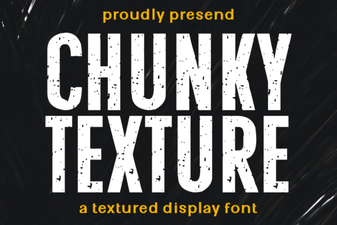 Chunky Text Fonts for Bold Design Statements
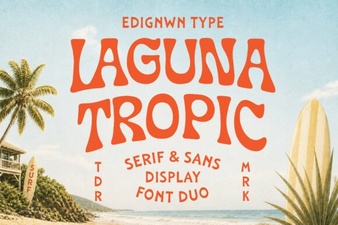 Laguna Tropic: Font Inspiration & Usage Guide
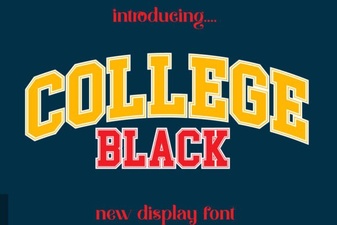 Clean Fonts for Academic Design Projects
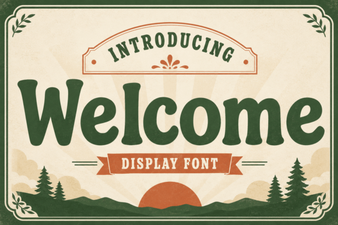 Welcome Font Designs: Creative Style & User-Friendly Guides
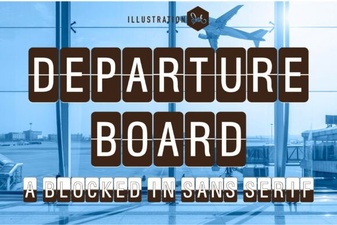 Designing with Departure Board Typography
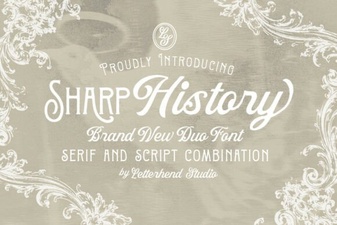 Sharp History Font: Design Concepts & Usage Guide